 India
 China
 Japan
 Pakistan
 Bangladesh
 South Korea
 Israel
 Palestine
 Iran
 Saudi Arabia
 United Arab Emirates
 Türkiye
 Egypt
 United Kingdom
 France
 Germany
 Ukraine
 Russia
 United States
 Canada
 Brazil
 Nigeria
 South Africa
 Australia
In a drying region, water becomes a question of peace
As rivers shrink and aquifers fall, the management of shared water is quietly becoming one of the region’s defining challenges.
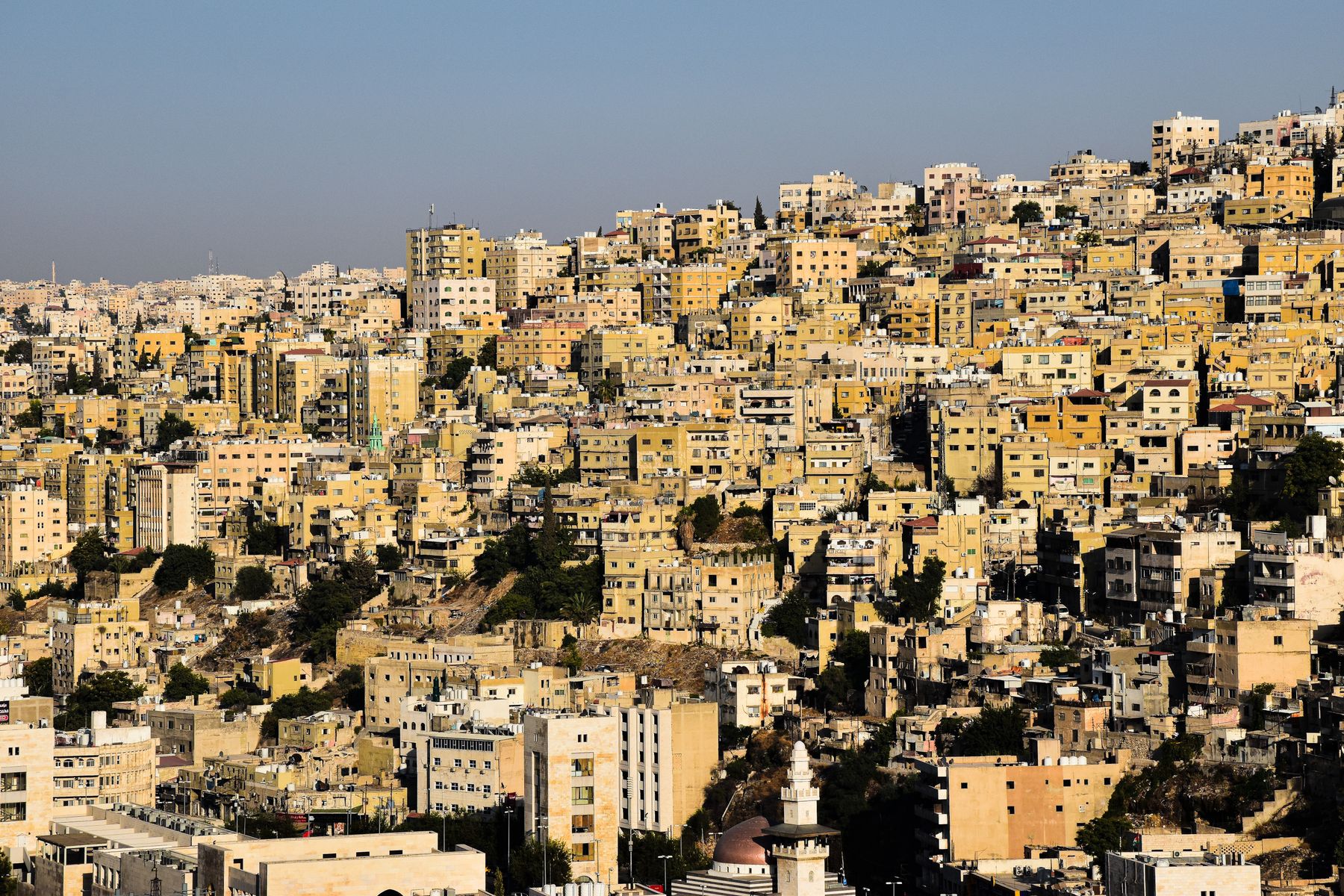
Water has always shaped the politics of dry lands. What is changing is the speed. Rivers that sustained communities for generations are shrinking, and aquifers built up over millennia are falling faster than they refill.
Most of the region’s major water sources cross borders. That makes cooperation not a favour but a necessity, and its absence not a disagreement but a risk that compounds quietly until it cannot be ignored.
Technology, desalination, efficient irrigation, recycling, can stretch supply. But none of it replaces the basic political work of agreeing how a shared resource is divided when there is less to divide.
The countries that treat water as a shared problem rather than a competitive one will be better placed for the decades ahead. Those that do not may find that scarcity writes its own diplomacy, on terms no one would choose.

Israel’s near-final count leaves both blocs short, and the fight over a coalition begins
With the double-envelope ballots counted, Benjamin Netanyahu’s bloc has 53 seats and Gadi Eisenkot’s 48…

Oil eases on talk of Iran diplomacy, but a stalled Qatari plan and attacks near Hormuz keep Brent above $110
Brent slipped to about $114 on Thursday morning after a reported US letter to Tehran. Diplomats say a Qatari…
Israel’s election ends without a clear winner as exit polls leave both blocs short of a majority
Projections give Gadi Eisenkot’s opposition 52–53 seats and Benjamin Netanyahu’s bloc 50, with Arab-led…
Comments (0)