 India
 China
 Japan
 Pakistan
 Bangladesh
 South Korea
 Israel
 Palestine
 Iran
 Saudi Arabia
 United Arab Emirates
 Türkiye
 Egypt
 United Kingdom
 France
 Germany
 Ukraine
 Russia
 United States
 Canada
 Brazil
 Nigeria
 South Africa
 Australia
The great rewiring of global supply chains
Efficiency was once the only metric. After years of disruption, resilience is back on the table.
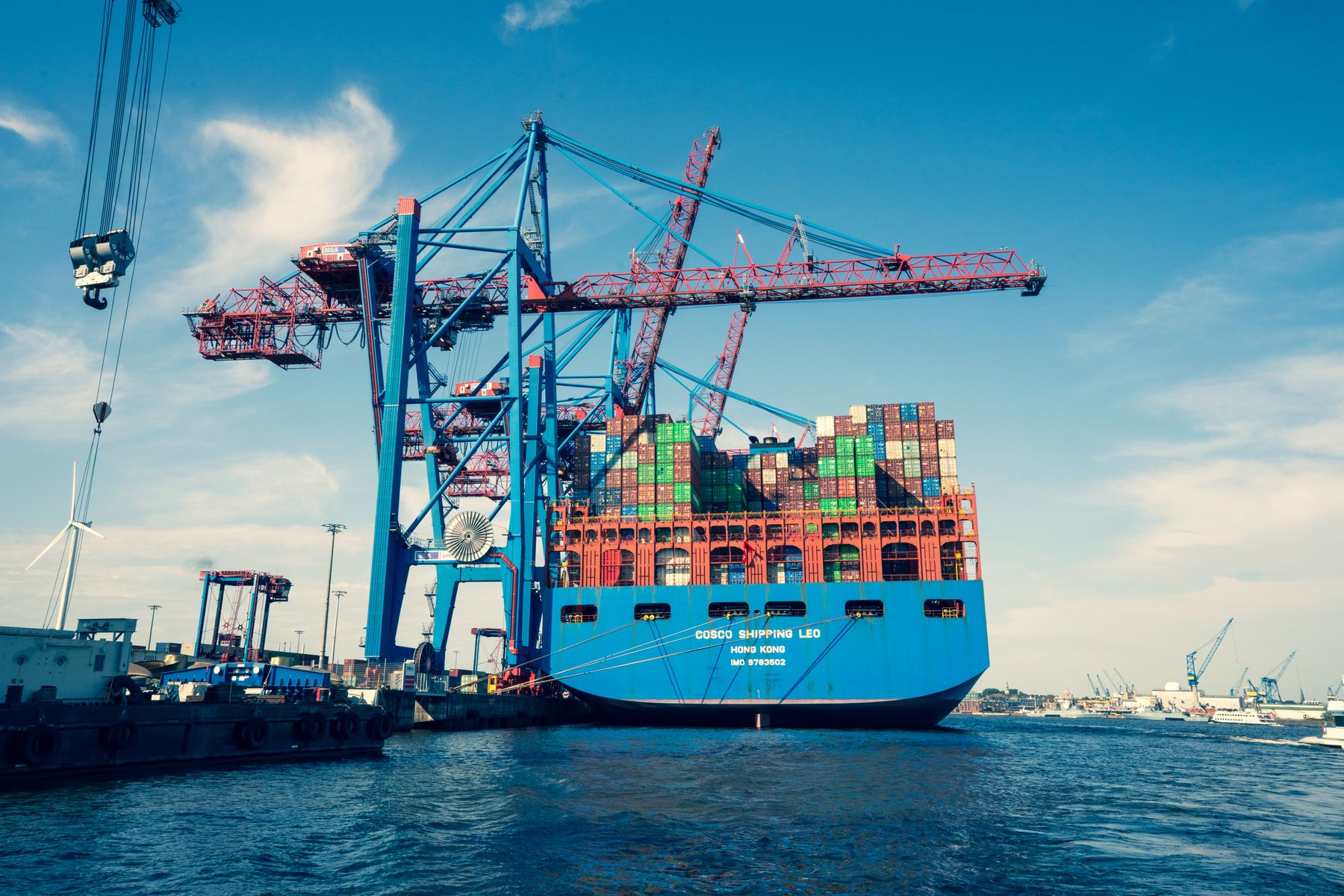
For a generation, the logic of supply chains was simple: find the cheapest source, consolidate, and ship. The system was exquisitely efficient, and exquisitely fragile, as a series of disruptions made clear.
The rewiring now under way is not a retreat from trade but a rebalancing. Companies are asking what resilience costs, and whether they are willing to pay it, before the next shock decides for them.
Nearshoring, duplication, and larger inventories all carry a price that shows up at the checkout. The question is whether the public, having felt the cost of fragility, will accept the cost of resilience.
The supply chain of the future will be slower, more expensive, and more durable than the one it replaces. Whether that is a loss or a gain depends on what we decide to value.

What makes a city worth living in?
Beyond the skyline, a closer look at the everyday spaces that shape how we live together.

The world races to write the rules for artificial intelligence
From Brussels to Washington to New Delhi, governments are drafting frameworks that will shape a defining…

As the qualifiers narrow, the margins grow thinner
A handful of nations are fighting for the last places at the tournament, where a single goal can define a…
Comments (0)