 India
 China
 Japan
 Pakistan
 Bangladesh
 South Korea
 Israel
 Palestine
 Iran
 Saudi Arabia
 United Arab Emirates
 Türkiye
 Egypt
 United Kingdom
 France
 Germany
 Ukraine
 Russia
 United States
 Canada
 Brazil
 Nigeria
 South Africa
 Australia
Who owns the public square now?
When conversation moves onto private platforms, the rules of public life are written by companies, not citizens.
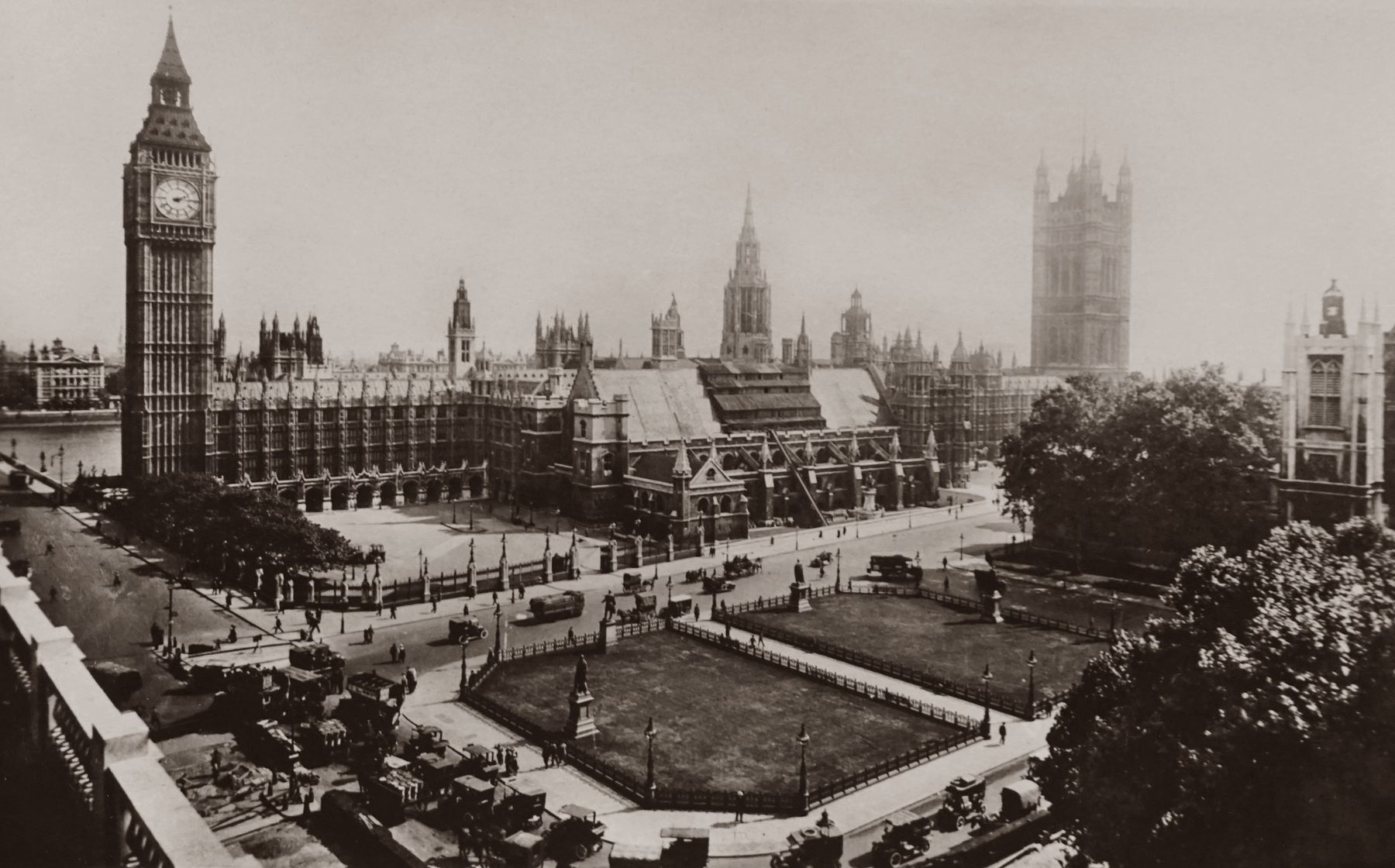
The public square was never a single place. It was the collection of spaces, newspapers, meeting halls, and airwaves where a society talked to itself. Much of that conversation has now migrated onto platforms owned by a small number of companies.
This migration has real benefits: more voices, faster exchange, lower barriers to participation. But it also means the rules of public debate, who can speak, what can be seen, how disagreement is handled, are increasingly set by private interests answerable to shareholders rather than citizens.
The question is not whether these platforms should exist. It is whether a society can hold a genuine public conversation inside spaces it does not govern. Transparency about how decisions are made matters as much as the decisions themselves.
A healthier public square would not depend on the goodwill of any single company. It would be built on a diversity of spaces, clear rights of appeal, and a shared understanding that the infrastructure of conversation is too important to leave entirely to the market.
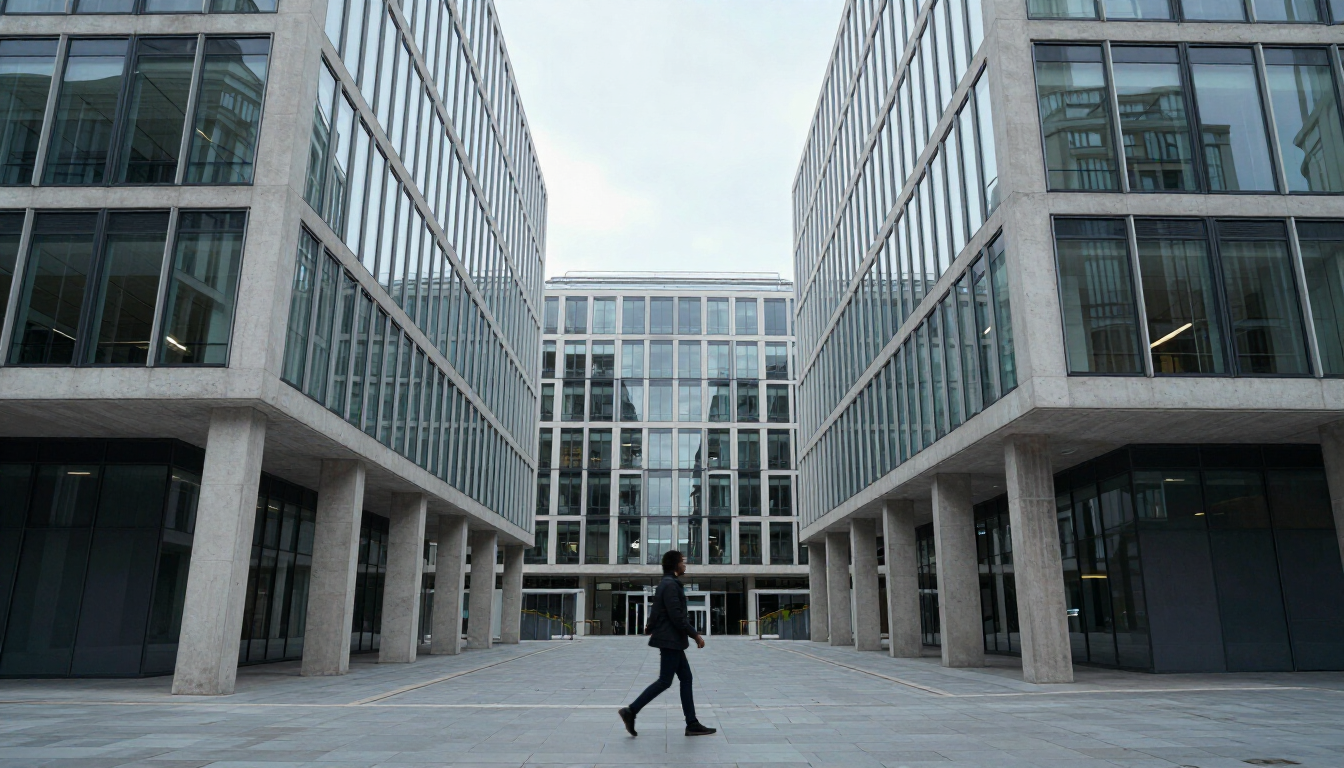
What makes a city worth living in?
Beyond the skyline, a closer look at the everyday spaces that shape how we live together.
The world races to write the rules for artificial intelligence
From Brussels to Washington to New Delhi, governments are drafting frameworks that will shape a defining…

As the qualifiers narrow, the margins grow thinner
A handful of nations are fighting for the last places at the tournament, where a single goal can define a…
Comments (0)