 India
 China
 Japan
 Pakistan
 Bangladesh
 South Korea
 Israel
 Palestine
 Iran
 Saudi Arabia
 United Arab Emirates
 Türkiye
 Egypt
 United Kingdom
 France
 Germany
 Ukraine
 Russia
 Canada
 Brazil
 Nigeria
 South Africa
 Australia
 United States
A divided Congress searches for common ground
With a narrow majority and rising pressure from voters, lawmakers face a test of whether legislating is still possible.
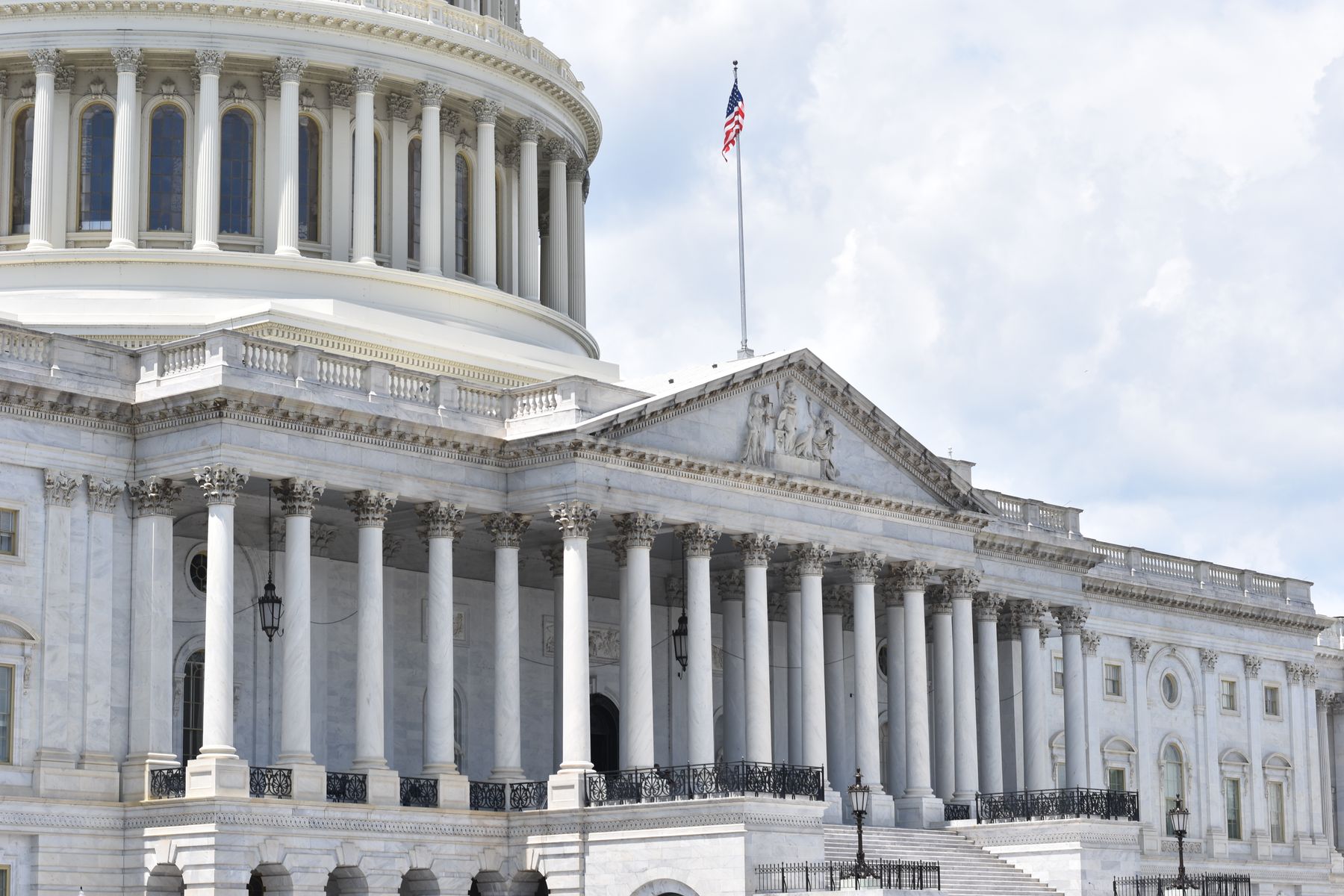
The current Congress arrived with a mandate to act, and a majority too thin to act easily. Every vote is negotiated, every coalition temporary, and every compromise scrutinised by a base that increasingly rewards purity over progress.
Behind the procedural standoffs lies a harder question: what does a legislature owe a public that did not vote for gridlock? Lawmakers elected to deliver are finding that the system they inherited rewards obstruction as much as accomplishment.
Some observers argue the answer is procedural reform. Others insist the problem is cultural, a political culture that treats the other party as an opponent to be defeated rather than a partner to be persuaded.
Whatever the diagnosis, the stakes are familiar to democracies everywhere. When legislatures cannot legislate, citizens lose faith in the institutions that claim to represent them. Restoring that faith may be the most important work of all.

Europe’s quest for technological sovereignty
A continent that regulates technology well is asking whether it can also build it, and what that would cost.

Silicon Valley recalibrates after a year of reckoning
Layoffs, refocused ambitions, and a new generation of founders are redrawing the map of American innovation.

The elections that decide everything and no one watches
Local races for school boards, sheriffs, and judges shape daily life more than any presidency, yet draw the…
Comments (0)