 India
 China
 Japan
 Pakistan
 Bangladesh
 South Korea
 Israel
 Palestine
 Iran
 Saudi Arabia
 United Arab Emirates
 Türkiye
 Egypt
 United Kingdom
 France
 Germany
 Ukraine
 Russia
 United States
 Canada
 Brazil
 Nigeria
 South Africa
 Australia
Europe’s quest for technological sovereignty
A continent that regulates technology well is asking whether it can also build it, and what that would cost.
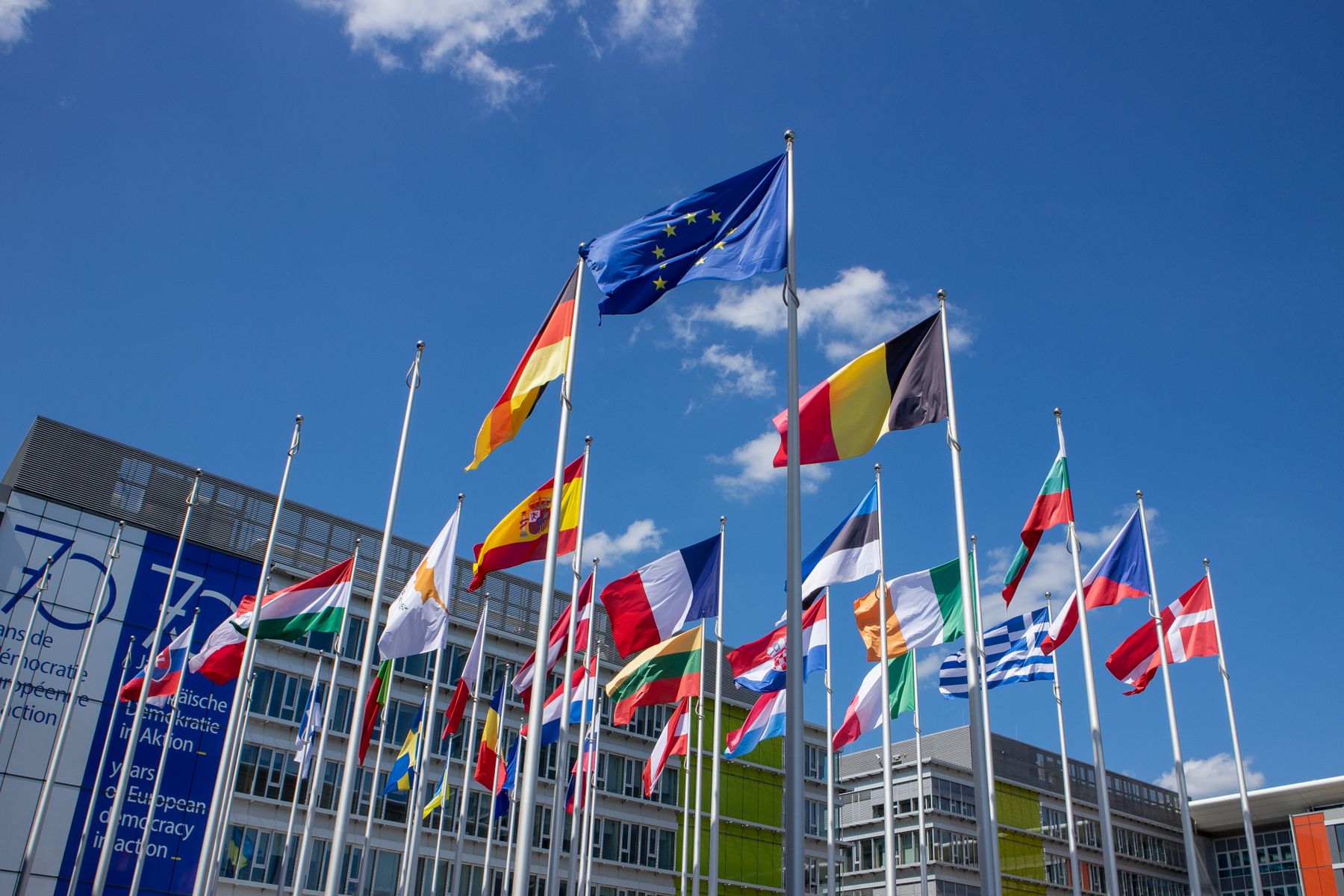
Europe has become the world’s most assertive regulator of digital technology. Now it is asking a harder question: can it also be a producer? Sovereignty, the argument goes, is not only about rules but about capability.
The ambition is to build, not just to police. That means investment in research, in chips, in the firms that turn ideas into industries. It also means accepting that capability takes time, capital, and a tolerance for failure.
Sceptics warn that sovereignty can become protectionism, and that closing a market rarely produces the innovation it promises. The balance between openness and independence is delicate, and easy to get wrong.
What Europe decides will shape more than its own economy. In a world dividing into technological blocs, the choices of a major market become the rules others learn to live with.
Russian drone strike on Dnipro station kills at least 14 as both sides talk of a new round of peace talks
The drone hit a platform as a commuter train prepared to leave. Days earlier, Kyiv and Moscow had said they…

Spain mourns after a high-speed train ploughs into a stationary train near Toledo, killing at least 68
A signalling failure had halted trains on the Madrid–Seville line. The transport minister called the order…
France offers students new posts, loans and an end to Parcoursup by 2028
The government also capped first-year classes in public high schools at 28 pupils. Student unions say the…
Comments (0)