 India
 China
 Japan
 Pakistan
 Bangladesh
 South Korea
 Israel
 Palestine
 Iran
 Saudi Arabia
 United Arab Emirates
 Türkiye
 Egypt
 United Kingdom
 France
 Germany
 Ukraine
 Russia
 Canada
 Brazil
 Nigeria
 South Africa
 Australia
 United States
The elections that decide everything and no one watches
Local races for school boards, sheriffs, and judges shape daily life more than any presidency, yet draw the least attention.
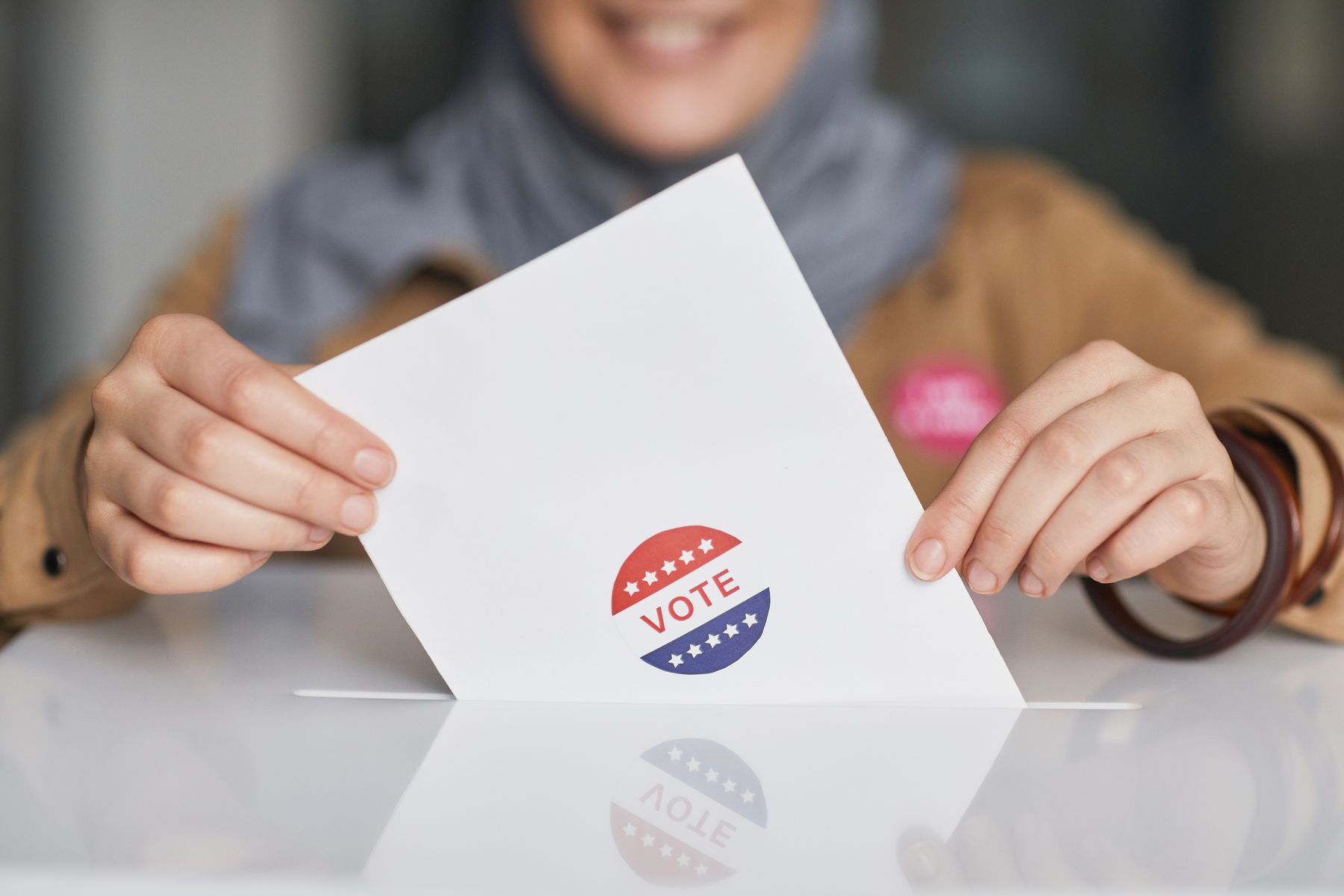
Every few years, a national election consumes the attention of a country. And every year, the offices that shape most daily life, schools, courts, local budgets, are decided by a fraction of the voters who show up for the top of the ticket.
These races are where policy becomes practice. The curriculum a child learns, the priorities of a police force, the shape of a neighbourhood, all are set by officials whose names most residents have never read.
The low turnout is not accidental. It reflects a political culture that treats the national stage as the real contest and everything beneath it as an afterthought. That hierarchy has consequences.
A democracy is only as strong as its least-watched office. The elections no one covers may be the ones that matter most.
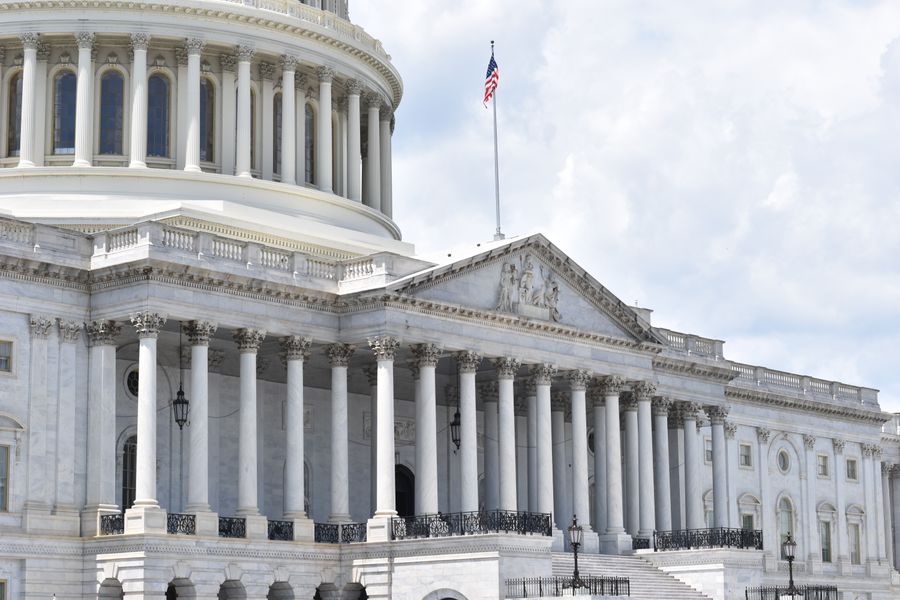
A divided Congress searches for common ground
With a narrow majority and rising pressure from voters, lawmakers face a test of whether legislating is still…
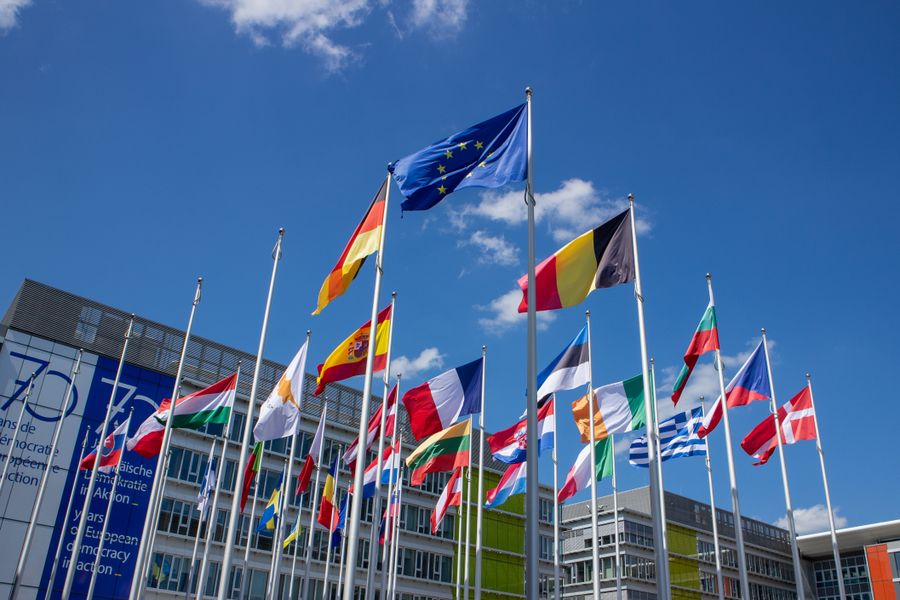
Europe’s quest for technological sovereignty
A continent that regulates technology well is asking whether it can also build it, and what that would cost.

Silicon Valley recalibrates after a year of reckoning
Layoffs, refocused ambitions, and a new generation of founders are redrawing the map of American innovation.
Comments (0)