 India
 China
 Japan
 Pakistan
 Bangladesh
 South Korea
 Israel
 Palestine
 Iran
 Saudi Arabia
 United Arab Emirates
 Türkiye
 Egypt
 United Kingdom
 France
 Germany
 Ukraine
 Russia
 United States
 Canada
 Brazil
 Nigeria
 South Africa
 Australia
The slow attention economy
In a world optimised for the next swipe, choosing where to place your attention is a quiet act of independence.

Attention is the currency of the digital age, and like any currency it is spent before it is noticed. Every notification, autoplay video, and infinite scroll is designed to capture a fraction of a resource we rarely account for.
The problem is not that we are easily distracted. It is that our environments have been engineered to reward distraction. The architecture of much of modern media assumes that depth is inefficient and that engagement is the same as understanding.
Reclaiming attention does not require retreating from the world. It requires intention: choosing what is worth a slow read, a long conversation, or an unhurried walk. These are not luxuries. They are the conditions under which thought becomes possible.
A slower attention economy would measure value differently. Not by how much we consumed, but by how much we understood. Not by how quickly we reacted, but by how carefully we responded.
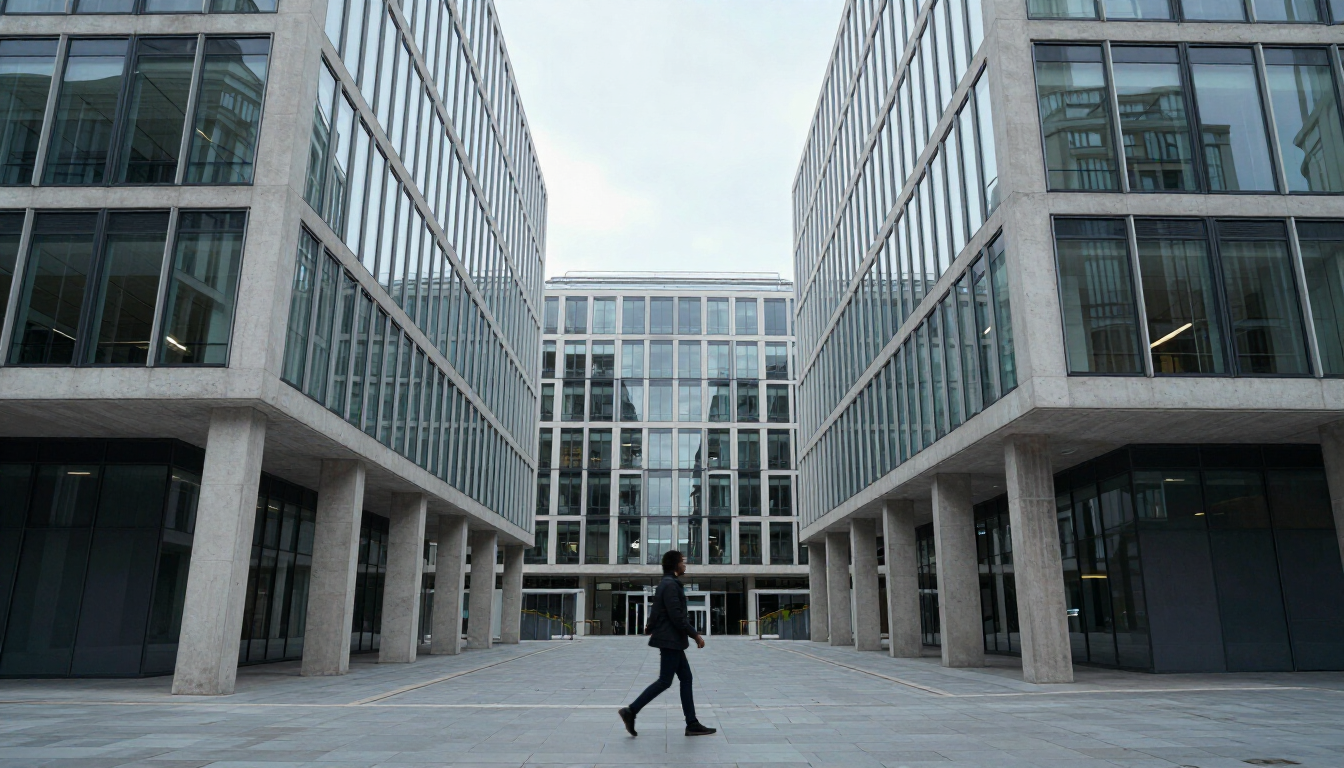
What makes a city worth living in?
Beyond the skyline, a closer look at the everyday spaces that shape how we live together.
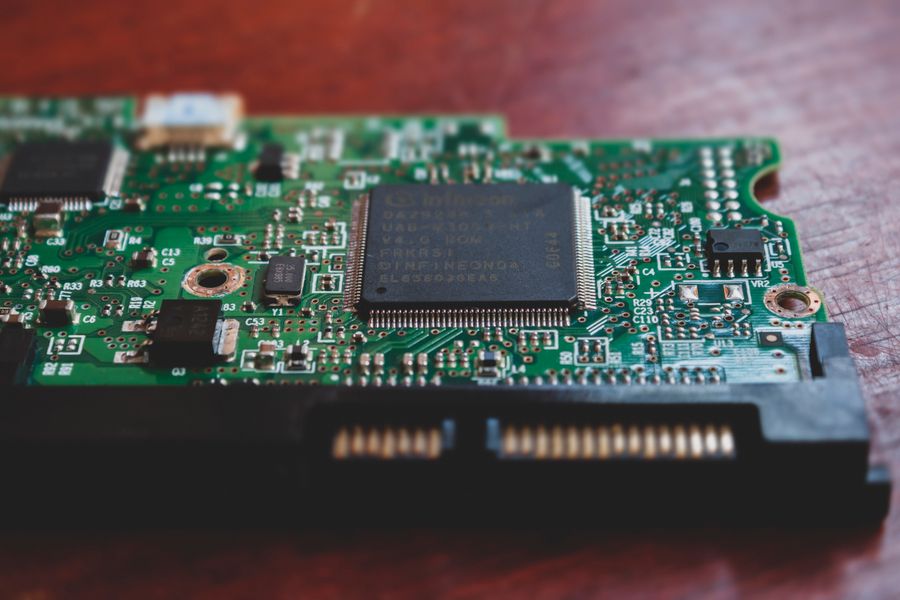
The world races to write the rules for artificial intelligence
From Brussels to Washington to New Delhi, governments are drafting frameworks that will shape a defining…

As the qualifiers narrow, the margins grow thinner
A handful of nations are fighting for the last places at the tournament, where a single goal can define a…
Comments (0)