 Rational
 China
 Japan
 Pakistan
 Bangladesh
 South Korea
 Israel
 Palestine
 Iran
 Saudi Arabia
 United Arab Emirates
 Türkiye
 Egypt
 United Kingdom
 France
 Germany
 Ukraine
 Russia
 United States
 Canada
 Brazil
 Nigeria
 South Africa
 Australia
 India
Cheated online? What to do, step by step
Call 1930 within the first hours, report at cybercrime.gov.in, keep the evidence — and how to recognise the “digital arrest” scam.

Money stolen online can sometimes be stopped before it leaves the banking system — but only if it is reported quickly.
In the first hour
- Call 1930, the national cybercrime helpline. Reporting quickly lets banks try to freeze the money.
- Report it at cybercrime.gov.in, the national portal run by the Ministry of Home Affairs, and note the acknowledgement number.
- Tell your bank: block the card or UPI, and ask for the transactions to be disputed.
- Change passwords of your email, bank and social accounts, and switch on two-step login.
Keep the evidence
Screenshots of chats and messages, the phone numbers and profile names used, website addresses, and the transaction reference (UTR) of every payment. Do not delete anything.
Frauds to recognise
- “Digital arrest”. A video call from people posing as police, CBI, customs or a court, who say you are under arrest and must stay on the call and transfer money. No investigating agency arrests anyone over a video call or asks for money to “clear” a case.
- KYC and refund links that ask you to update details or install an app.
- Part-time job and “task” offers that pay a little at first and then ask for deposits.
- Investment groups promising high, guaranteed returns.
- Sextortion: threats to share recorded video calls. Do not pay; report it.
Report suspicious calls and messages
Fraud calls and messages can be reported on the Department of Telecommunications’ Sanchar Saathi portal, which also lets you check how many mobile numbers are registered in your name.

How the Election Commission of India works
Who the commissioners are and how they are chosen, what the Commission controls — and what it does not.
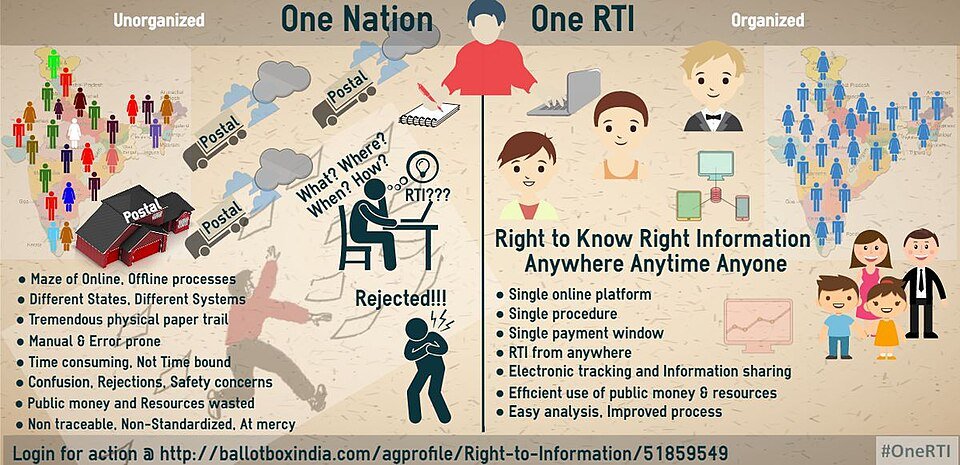
How to use the Right to Information Act
Any citizen can ask a public authority for information. How to apply, how long they have to answer, how to…

How the Supreme Court hears a case
Writ petitions, special leave, constitution benches, review and curative petitions — the routes into India’s…
Comments (0)