 Rational
 China
 Japan
 Pakistan
 Bangladesh
 South Korea
 Israel
 Palestine
 Iran
 Saudi Arabia
 United Arab Emirates
 Türkiye
 Egypt
 United Kingdom
 France
 Germany
 Ukraine
 Russia
 United States
 Canada
 Brazil
 Nigeria
 South Africa
 Australia
 India
How the Election Commission of India works
Who the commissioners are and how they are chosen, what the Commission controls — and what it does not.

The Election Commission of India is set up by Article 324 of the Constitution. It has the “superintendence, direction and control” of elections to Parliament, to the state legislatures and to the offices of the President and the Vice-President.
Who runs it
- The Commission has a Chief Election Commissioner and, since 1993, two other Election Commissioners. Decisions are taken by the three together.
- Under a law passed in 2023, the President appoints them on the recommendation of a selection committee: the Prime Minister (who chairs it), the Leader of the Opposition in the Lok Sabha (or the leader of the largest opposition party) and a Union Cabinet minister chosen by the Prime Minister. A search committee prepares a shortlist.
- They serve for six years or until they turn 65, whichever comes first. The Chief Election Commissioner can be removed only in the way a Supreme Court judge can be.
What it does
- Prepares the electoral rolls with each state’s Chief Electoral Officer, electoral registration officers and booth-level officers.
- Announces the election schedule and runs the polls with officials lent by the central and state governments.
- Enforces the Model Code of Conduct — guidelines for parties, candidates and governments that apply from the day the schedule is announced. The code is not itself a law, but the Commission enforces it.
- Recognises political parties and allots their symbols, and decides disputes over symbols.
- Oversees electronic voting machines and the paper trail (VVPAT).
What it does not do
Elections to panchayats and municipalities are run by each state’s own State Election Commission (Articles 243K and 243ZA). Election disputes after the result — an election petition — go to the High Court, not to the Commission.
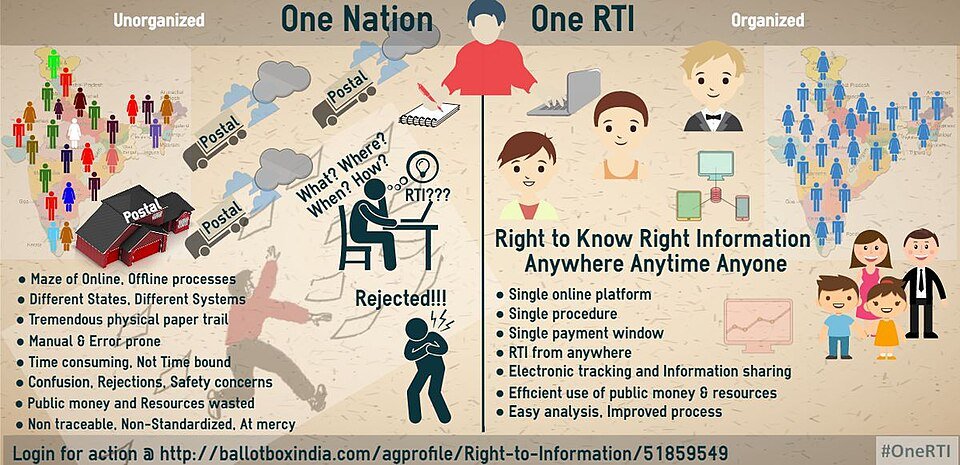
How to use the Right to Information Act
Any citizen can ask a public authority for information. How to apply, how long they have to answer, how to…
How the Supreme Court hears a case
Writ petitions, special leave, constitution benches, review and curative petitions — the routes into India’s…
How India counts its people: the census
Who runs the census, the two stages of the count, what you are asked — and why your answers stay confidential.
Comments (0)